5 Powerful Logistics Tracking Systems: AI, GPS & Shipping
Global eCommerce has evolved rapidly, and logistics tracking has become the backbone of modern shipping. Whether you are a buyer waiting for a parcel or a seller managing deliveries, real-time tracking ensures transparency and trust.
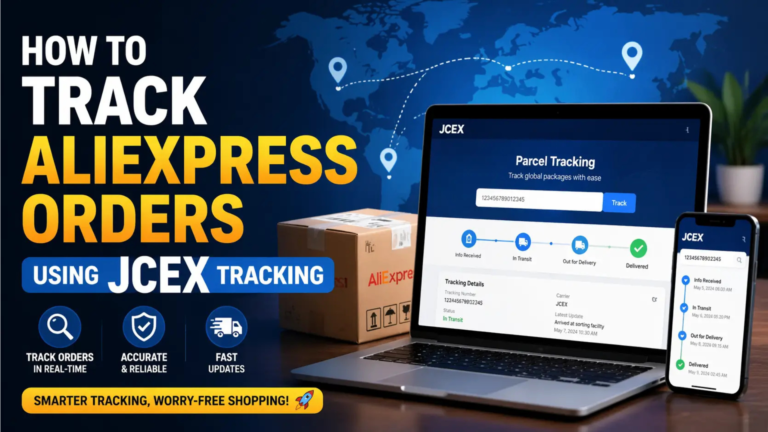
If you want to track your shipments accurately, you can always start from the JCEX Tracking homepage, where real-time updates and detailed shipment insights are available.
How Logistics Tracking Systems Work (Technical Overview)
Modern logistics tracking systems combine software, hardware, and cloud infrastructure to provide real-time shipment visibility.
Core Components of Logistics Tracking
- Unique tracking numbers
- Barcode scanning systems
- Centralized databases
- APIs for system integration
- User-friendly tracking dashboards
For example, when using a tool like JCEX Tracking, your shipment data is fetched from multiple checkpoints and displayed in a simple interface.
Step-by-Step Tracking Process
Shipment Registration:
A parcel is assigned a unique tracking ID.
Barcode Assignment:
A scannable code is attached to the package.
Checkpoint Scanning:
Each logistics hub scans the parcel.
Real-Time Updates:
Data is synced to tracking platforms.
Final Delivery Status:
The system updates once the package is delivered.
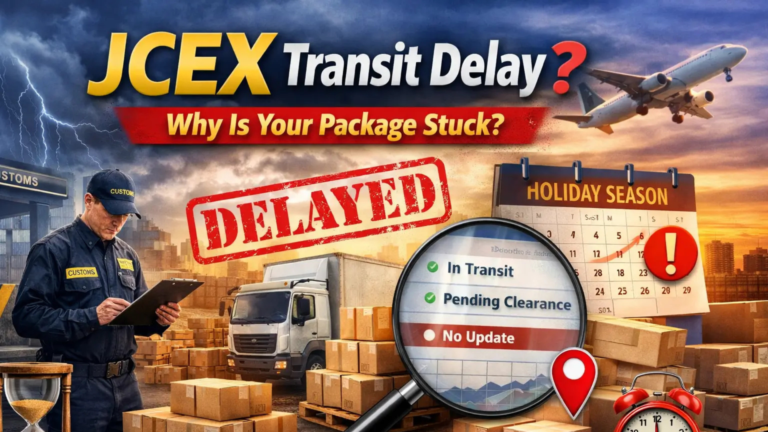
If your shipment appears stuck, you can read more in our guide on JCEX tracking issues: why your package is stuck and fixes to troubleshoot delays.
Role of AI in Shipment Tracking and Delivery Predictions
Artificial Intelligence is reshaping logistics tracking by making systems smarter and more predictive.
How AI Enhances Tracking
- Predicts delivery times using historical data
- Optimizes delivery routes
- Detects delays and exceptions
- Automates logistics operations
AI-driven systems used in platforms like JCEX Tracking help reduce uncertainty and improve delivery accuracy.
Real-World Benefits
- Faster shipping times
- Lower operational costs
- Better customer satisfaction
- Accurate ETAs
To understand how different courier systems compare, check our detailed guide on JCEX vs Yanwen vs 4PX shipping comparison.
How Barcode & Tracking Numbers Are Generated
Barcodes and tracking IDs are essential to logistics tracking systems.
Tracking Number Breakdown
- Carrier identifier
- Shipping method code
- Unique parcel number
- Verification digit
Barcode Technology in Logistics
Types of Barcodes
- 1D barcodes (Code 128)
- 2D barcodes (QR codes)
These codes are scanned at every stage and updated in systems like JCEX Tracking, ensuring accurate shipment movement.
Why Barcodes Matter
- Reduce manual errors
- Speed up sorting
- Enable automation
- Improve tracking accuracy
How Real-Time GPS Tracking Is Changing Delivery Systems
Real-time GPS tracking has revolutionized logistics tracking by providing live shipment updates.
Key Features of GPS Tracking
- Live package location
- Route monitoring
- Delivery time predictions
- Geofencing alerts
With platforms like JCEX Tracking, users can view shipment progress without relying solely on checkpoint updates.
Benefits of GPS in Logistics
- Improved transparency
- Faster decision-making
- Enhanced delivery speed
- Better fleet management
If you frequently shop internationally, you may also benefit from using universal parcel tracking tools in 2026 for multi-carrier tracking.
Future of Global Logistics and Smart Shipping
The future of logistics tracking is driven by automation, sustainability, and intelligent systems.
Emerging Technologies
Internet of Things (IoT)
Smart sensors track package conditions in real time.
Blockchain
Ensures secure and tamper-proof shipment records.
Autonomous Delivery
Drones and self-driving vehicles are shaping last-mile delivery.
Smart Warehousing
AI-powered robots improve efficiency.
Green Logistics
Eco-friendly shipping reduces environmental impact.
Why JCEX Tracking Is Essential for Modern Shipping
For users and businesses, JCEX Tracking offers:
- Real-time shipment updates
- Accurate tracking information
- Easy-to-use interface
- Multi-checkpoint visibility
By integrating advanced logistics tracking technologies, it simplifies global shipping for both buyers and sellers.
Best Practices for Efficient Logistics Tracking
To fully leverage logistics tracking, follow these best practices:
- Always verify tracking numbers
- Use reliable tracking platforms like JCEX
- Monitor shipments regularly
- Stay updated on delivery status
- Understand courier-specific delays
FAQs
What is logistics tracking?
Logistics tracking is the process of monitoring shipments using tracking numbers, barcodes, and GPS systems.
2. How can I track my JCEX shipment?
You can track it through the JCEX Tracking homepage by entering your tracking number.
3. Why is my tracking not updating?
It may be due to transit delays, customs checks, or system update gaps.
4. Is GPS tracking available for all shipments?
Not all shipments have live GPS, but many modern systems are adopting it.
Are tracking systems accurate?
Yes, modern logistics tracking systems are highly accurate, especially when powered by AI and real-time data.
6. What is the future of logistics tracking?
The future includes AI, IoT, blockchain, and autonomous delivery systems.
Conclusion
The evolution of logistics tracking has transformed global shipping into a transparent and efficient system. From barcode scanning to AI predictions and GPS tracking, modern logistics is smarter than ever.
By leveraging platforms like JCEX Tracking and understanding how these systems work, users can gain better control over their shipments and avoid common delivery issues.