7 Powerful Benefits of AI Logistics You Must Know
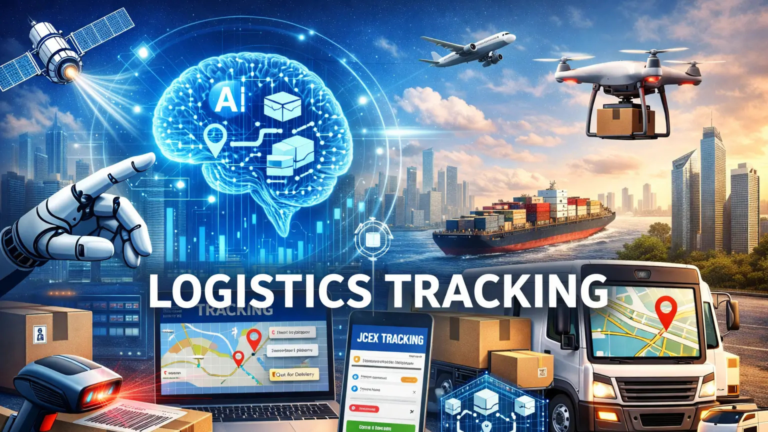
In today’s fast-paced digital economy, businesses depend heavily on smart technologies to streamline operations. One such innovation is AI logistics, which is transforming how shipment tracking and supply chain management operate. If you want to explore real-time shipment insights, you can visit jcextracking.com to experience modern tracking systems in action.
This guide explains how AI logistics works, its applications, benefits, and future trends while maintaining strong SEO, AIO, AEO, GEO optimization, and E.E.A.T standards.
Introduction to AI in Logistics
What is Artificial Intelligence in Logistics?
Artificial Intelligence in logistics refers to the use of intelligent algorithms and machine learning systems to automate and enhance logistics processes. AI logistics solutions analyze large datasets to improve efficiency, accuracy, and decision-making.
Importance of AI in Modern Shipment Tracking
Modern shipment tracking requires speed and precision. AI logistics enables:
- Real-time shipment monitoring
- Accurate delivery predictions
- Automated updates
- Improved customer communication
How AI is Transforming Supply Chain Operations
AI enhances supply chains by:
- Reducing manual work
- Minimizing errors
- Improving efficiency
- Enabling predictive decision-making
How AI Works in Shipment Tracking Systems
Data Collection and Processing in AI Systems
AI systems gather data from multiple sources such as GPS devices, IoT sensors, and tracking platforms. AI logistics processes this data to generate meaningful insights.
Machine Learning Algorithms in Logistics
Machine learning plays a key role in AI logistics by analyzing historical data and improving predictions over time.
Real-Time Data Analysis for Shipment Tracking
With real-time data analysis, AI logistics ensures:
- Instant updates
- Accurate tracking
- Quick issue detection
Key Applications of AI in Shipment Tracking
Real-Time Shipment Monitoring with AI
AI logistics enables continuous tracking of shipments, improving visibility and reliability.
Predictive Analytics for Delivery Estimates
Predictive analytics helps intelligent logistics provide accurate delivery timelines based on historical and real-time data.
Automated Route Optimization
AI identifies the most efficient delivery routes, reducing delays and fuel costs.
Smart Exception Management
AI logistics detects disruptions early and suggests solutions automatically.
AI-Powered Predictive Tracking
Predicting Delivery Delays Using AI
By analyzing patterns, Intelligent logistics predicts potential delays and helps businesses take proactive action.
Demand Forecasting in Logistics
AI logistics improves demand forecasting, allowing better inventory management.
Risk Assessment and Mitigation
AI evaluates risks and helps logistics companies avoid disruptions.
AI in Route Optimization and Fleet Management
Dynamic Route Planning with AI
AI logistics dynamically adjusts delivery routes in real time.
Fuel Efficiency Optimization
Optimized routes reduce fuel consumption and operational costs.
Traffic and Weather-Based Routing Decisions
AI considers external factors to ensure faster deliveries.
Role of AI in Warehouse and Inventory Management
AI-Based Inventory Forecasting
AI logistics predicts demand trends and helps maintain optimal stock levels.
Smart Warehousing Systems
AI-powered warehouses improve efficiency through automation.
Automated Picking and Packing
Automation enhances speed and accuracy in warehouse operations.
AI and Real-Time Visibility in Logistics
Enhancing End-to-End Supply Chain Visibility
Intelligent logistics provides complete visibility across the supply chain.
AI Dashboards for Shipment Tracking
Dashboards display shipment status, timelines, and analytics.
Data-Driven Decision Making
AI enables smarter business decisions based on real-time insights.
AI Integration with Emerging Technologies
AI and Internet of Things (IoT) in Logistics
IoT devices feed data into AI logistics systems for better tracking.
AI with Blockchain for Secure Tracking
Blockchain improves transparency and data security.
AI and Robotics in Supply Chain
Robotics powered by AI automates repetitive logistics tasks.
Benefits of AI in Shipment Tracking & Logistics
Improved Delivery Accuracy
AI logistics reduces errors and ensures precise delivery timelines.
Reduced Operational Costs
Automation lowers operational expenses.
Faster Decision-Making
AI processes data quickly for faster responses.
Enhanced Customer Experience
Customers receive accurate updates and timely deliveries.
Challenges of Implementing AI in Logistics
High Implementation Costs
AI systems require significant investment.
Data Privacy and Security Concerns
Handling large datasets raises security concerns.
Integration with Legacy Systems
Older systems may not support AI integration easily.
Skill Gap and Technical Expertise
Businesses need skilled professionals to manage AI systems.
AI Use Cases in Real-World Logistics Companies
AI in eCommerce Logistics
Intelligent logistics improves order processing and tracking.
AI in Last-Mile Delivery Solutions
AI optimizes last-mile delivery routes.
AI in Global Shipping and Freight
AI enhances international logistics operations.
Future of AI in Shipment Tracking & Logistics
Autonomous Delivery Systems
Self-driving vehicles and drones will transform logistics.
AI-Driven Supply Chain Automation
Automation will increase efficiency and reduce manual work.
Hyper-Personalized Logistics Services
AI will offer customized delivery experiences.
Predictive and Self-Healing Supply Chains
Future systems will automatically detect and resolve issues.
Best Practices for Using AI in Logistics
Choosing the Right AI Tools
Select tools that match business needs.
Ensuring Data Quality
High-quality data improves AI performance.
Continuous Monitoring and Optimization
Regular updates ensure efficiency.
Aligning AI with Business Goals
AI strategies should support long-term objectives.
FAQs
What is AI logistics in shipment tracking?
AI logistics uses artificial intelligence to automate shipment tracking, providing real-time updates, accurate delivery predictions, and improved supply chain visibility.
How does AI logistics improve delivery accuracy?
Intelligent logistics analyzes real-time and historical data to predict delays, optimize routes, and ensure packages arrive on time with higher accuracy.
What technologies are used in AI logistics systems?
AI logistics systems use machine learning, IoT devices, GPS tracking, and cloud computing to monitor shipments and optimize logistics operations.
Can AI logistics reduce shipping delays?
Yes, Intelligent logistics identifies potential disruptions early and suggests alternative routes or solutions to minimize delays and improve delivery performance.
Is AI logistics suitable for small businesses?
Intelligent logistics is scalable and can benefit small businesses by improving efficiency, reducing costs, and enhancing customer satisfaction.
What are the main benefits of AI logistics?
AI logistics improves shipment tracking accuracy, reduces operational costs, enhances decision-making, and provides better customer experiences.
Conclusion
Key Takeaways on AI in Shipment Tracking
- Intelligent logistics improves efficiency
- Predictive analytics enhances planning
- Automation reduces costs