8 Shocking Reasons for JCEX Delay (Complete Fix Guide)
International eCommerce has revolutionized the way people shop, allowing customers to order products from across the globe with just a few clicks. However, despite these advancements, delivery delays continue to be a major concern for buyers. If you are currently dealing with a JCEX delay, you are not alone. Many customers experience delays due to various factors within the global logistics network.
A JCEX delay can occur at different stages of the shipping process, including seller dispatch, warehouse processing, international transit, customs clearance, and final delivery. Understanding these stages is crucial because it helps you identify where your package might be and why it has not arrived yet.
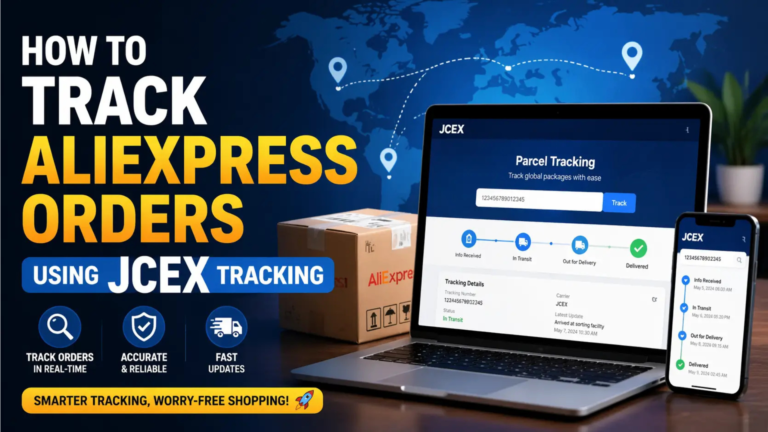
To track your shipment effectively, using a reliable platform like JCEX Tracking can provide real-time updates and improve visibility. In this comprehensive guide, you will learn the top reasons behind a JCEX delay, how to handle such situations, and practical tips to avoid delays in the future.
Seller Has Not Shipped the Package Yet
One of the most overlooked causes of a JCEX delay occurs before the shipping process even begins.
Difference Between “Order Placed” and “Shipped”
Many buyers mistakenly assume that once they place an order, the package is already on its way. However:
- “Order placed” means the seller has received your order
- “Shipped” means the item has been handed over to the logistics provider
If the seller has not shipped the item yet, no tracking updates will appear, leading to confusion and perceived delays.
Fake or Pre-Generated Tracking Numbers
Some sellers generate tracking numbers in advance to meet platform requirements. This can result in:
- Tracking numbers that show no updates
- Delays in activation
This situation often contributes to an early-stage JCEX delay.
How Long Sellers Take to Dispatch Orders
Dispatch times vary depending on:
- Product availability
- Seller workload
- Warehouse location
Typically, sellers take 1–5 business days to dispatch orders.
Delay in Initial Package Scanning
After the seller ships the item, the next stage involves scanning the package into the logistics system.
Why Tracking Doesn’t Activate Immediately
Tracking updates only begin once the package is scanned at a facility. Delays can occur because:
- Packages are processed in bulk
- Logistics centers handle high volumes
Warehouse Processing Delays
Large fulfillment centers process thousands of packages daily. This can result in:
- Backlogs
- Delayed scanning
Such delays are a common cause of a JCEX delay, especially during busy periods.
Typical 2–5 Day Activation Window
It is normal for tracking to take 2–5 days to activate. During this time, your package is likely waiting to be processed.
International Transit Time Variations
Once the package leaves the origin country, transit time becomes a key factor.
Air vs Sea Shipping Differences
- Air shipping: Faster but more expensive
- Sea shipping: Slower but cost-effective
Why Packages Appear “Stuck in Transit”
During international transport:
- Tracking updates may pause
- Packages are not scanned frequently
This often leads buyers to believe there is a JCEX delay, even when the shipment is moving.
Limited Tracking Updates During Flights
Packages in transit:
- Do not generate real-time updates
- Show movement only after arrival
Customs Clearance Delays
Customs clearance is one of the most critical and unpredictable stages.
How Customs Inspection Works
Every international shipment must:
- Be inspected
- Meet import regulations
Reasons Packages Get Held
Delays may occur due to:
- Missing paperwork
- Unpaid import duties
- Security checks
Customs issues are a major contributor to a JCEX delay.
Countries With Longer Processing Times
Some countries enforce stricter rules, leading to:
- Extended inspection times
- Additional documentation requirements
High Shipping Volume & Peak Seasons
Shipping demand fluctuates throughout the year.
Impact of Holidays
Events like:
- Black Friday
- Chinese New Year
Cause massive increases in shipping volume.
Backlogs in Logistics Hubs
High demand leads to:
- Congested sorting centers
- Slower processing
How Peak Seasons Slow Delivery
During peak periods, even efficient systems slow down, increasing the likelihood of a JCEX delay.
Incorrect or Incomplete Address
Incorrect address details can disrupt delivery.
Common Address Mistakes
- Missing house number
- Incorrect postal code
- Incomplete address
What Happens When Address Details Are Missing
- Delivery attempts fail
- Packages are returned or held
How to Fix Address Issues
- Contact the courier immediately
- Update address details through the seller
Address errors often lead to a prolonged JCEX delay.
Handover to Local Courier Delays
International deliveries involve multiple carriers.
Multi-Carrier Shipping Explained
JCEX handles international shipping, while local couriers complete delivery.
Why Tracking May Pause
After arrival:
- Packages are transferred
- Updates may temporarily stop
Delays in Last-Mile Delivery
Local delivery delays may result from:
- High delivery volume
- Limited resources
This stage frequently contributes to a JCEX delay.
Weather Conditions & Unexpected Disruptions
External factors can significantly impact shipping timelines.
Flight Delays and Route Changes
Severe weather can:
- Delay flights
- Change routes
Natural Disasters
Floods, storms, and earthquakes disrupt logistics networks.
Political or Regional Restrictions
Unexpected restrictions may delay shipments across regions, increasing the risk of a JCEX delay.
What to Do If Your JCEX Package Is Late
If you are facing a JCEX delay, follow these steps:
Check Tracking on Multiple Platforms
Different tracking systems may show additional updates.
Contact the Seller or Marketplace
Sellers can verify shipment status and provide support.
Wait vs When to Take Action
- Wait if within estimated delivery time
- Take action if significantly delayed
Opening a Dispute or Claim
If your package does not arrive:
- File a dispute
- Request a refund or replacement
Tips to Avoid Future Delivery Delays
Avoiding delays requires proactive planning.
Choosing Faster Shipping Methods
Opt for express shipping for quicker delivery.
Double-Checking Address Details
Ensure all information is accurate before placing orders.
Ordering Early During Peak Seasons
Avoid delays by ordering ahead of busy periods.
Using Reliable Tracking Tools
Tracking tools provide better visibility and help reduce JCEX delay issues.
FAQs
How long does JCEX delivery usually take?
JCEX delivery typically takes between 7 to 25 days, depending on the destination country and shipping method.
Express services may deliver faster, while economy shipping can take longer.
Delays may extend this timeframe during peak seasons or customs processing.
Why is my tracking not updating?
Tracking may stop updating when the package is in international transit or waiting at customs.
It can also pause during handovers between logistics carriers.
In most cases, updates resume once the package reaches the next checkpoint.
Can I speed up my delivery?
Once the package is shipped, you cannot change its delivery speed.
Shipping time depends on the selected method and logistics process.
For future orders, choosing express shipping can reduce delivery time.
Who should I contact for delays?
Start by contacting the seller or the platform where you placed the order.
They can provide shipment details and verify the status.
If the package is in your country, you can also contact the local courier.
Is my package lost if delayed?
A delayed package is not necessarily lost and usually arrives within an extended timeframe.
Delays often occur due to transit, customs, or logistics issues.
If the delay exceeds the estimated delivery period, you can file a claim or dispute.
Conclusion
A JCEX delay can happen for many reasons, including seller processing time, warehouse delays, international transit, customs clearance, and external disruptions. While delays are frustrating, they are often temporary and manageable.
Understanding the logistics process allows you to track your package more effectively and take the right actions when necessary. By staying informed and using reliable tracking tools, you can minimize the impact of delays and enjoy a smoother delivery experience.